
Smartphone users often face accidental screen touches during calls, especially in warm and humid regions. Studies show that over 70% of users experience unintended screen interactions at least once monthly. In many cases, these touches mute calls, open apps, or disconnect conversations. Therefore, understanding the causes becomes important. Many users also explore Android proximity sensor troubleshooting when call screen issues become frequent.
Miami’s tropical climate creates unique conditions for smartphone performance. High humidity, sweat, and moisture can affect screen responsiveness. As a result, accidental touches become more common during calls. Fortunately, several practical solutions can reduce these interruptions. This guide explains proven methods that help users enjoy smoother phone conversations.
Why Accidental Touches Happen During Calls
Most smartphones use a proximity sensor near the front camera. This sensor detects when your face approaches the screen. Once activated, the display turns off automatically during calls. However, dirt, moisture, or software issues can disrupt this process.
Environmental conditions also contribute to the problem. Miami residents frequently deal with heat and humidity throughout the year. Consequently, sweat can interfere with touchscreen sensitivity. Similar device behavior appears in situations involving phone wifi disconnects when screen locks because software settings sometimes affect hardware responses.
Screen protectors may create additional complications. Thick or poorly installed protectors sometimes block sensors. Furthermore, air bubbles can affect sensor accuracy. Therefore, users should inspect accessories before assuming a hardware failure.
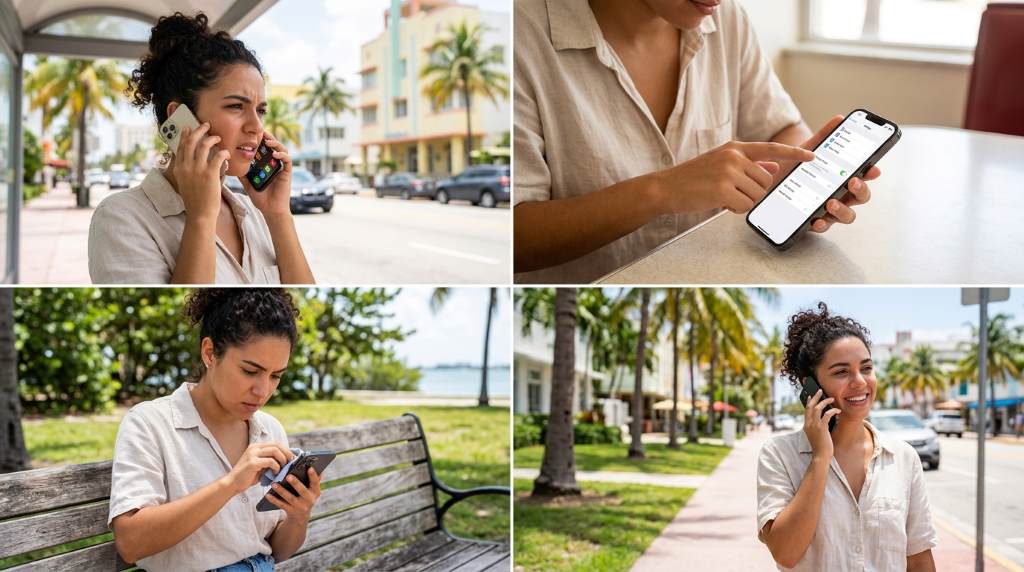
Check the Proximity Sensor First
Clean the Sensor Area
Dust and oil frequently accumulate around the sensor. As a result, the phone may fail to recognize when it sits near your face. Use a microfiber cloth to clean the top section of the display. Additionally, avoid using harsh cleaning chemicals.
Regular cleaning works especially well in coastal environments. Salt particles from ocean air can settle on smartphone surfaces. Therefore, weekly maintenance helps preserve sensor performance. This simple habit often resolves many call-related touch issues.
Remove Obstructions
Cases and screen protectors sometimes cover critical sensor components. Consequently, the display may stay active during calls. Remove accessories temporarily and test call behavior. Then compare the results to determine whether the accessory causes the issue.
Many users overlook this basic step. However, manufacturers design sensors to work within specific clearances. Even slight obstruction can reduce accuracy. Therefore, choosing properly fitted accessories remains important.
Adjust Call and Display Settings
Modern smartphones include several settings that help prevent unwanted screen interactions. Therefore, reviewing these options can improve call performance significantly. Open your device settings and explore call-related controls. Many solutions require only a few adjustments.
Enable Screen Lock During Calls
Some devices offer screen lock features during active calls. This option prevents random taps from triggering functions. Consequently, users avoid accidental muting or call termination. Check your phone application settings for this feature.
Reduce Touch Sensitivity
Certain smartphones allow sensitivity adjustments. This setting proves useful in humid conditions where moisture increases responsiveness. As a result, the screen becomes less likely to register unintended touches. Test different levels to find the best balance.
Older users often benefit from simplified settings. In fact, many recommendations found in guides about choose gadgets for elderly focus on reducing unnecessary touchscreen interactions. Similar principles apply when improving call reliability.
Update Your Smartphone Software
Software bugs frequently contribute to touchscreen problems. Manufacturers release updates that improve sensor calibration and call management. Therefore, keeping devices current remains essential. Check for updates regularly through system settings.
Many users delay updates for weeks or months. However, outdated software can create unexpected performance issues. Furthermore, security patches often accompany functional improvements. As a result, updating provides several benefits beyond call stability.
After installing updates, restart the device completely. This process allows new settings to initialize correctly. Consequently, sensor performance may improve immediately. Many users notice better responsiveness after a fresh reboot.
Manage Moisture and Humidity Effects
Miami’s climate presents unique challenges for smartphone users. High humidity levels often increase moisture around the face and hands. Consequently, touchscreens may register unintended contact during calls. Managing environmental factors helps reduce these occurrences.
Before making a call, wipe excess moisture from your hands and face. This simple step decreases the likelihood of accidental screen activation. Furthermore, dry surfaces improve sensor accuracy. Therefore, small habits can produce meaningful improvements.
Consider using a moisture-resistant phone case. While these cases do not eliminate touch issues entirely, they provide extra protection. As a result, sensitive components stay cleaner and drier. This protection becomes valuable during Miami’s humid summer months.
Use Headphones or Bluetooth Devices
One effective solution involves reducing direct screen contact altogether. Bluetooth earbuds and wired headsets allow conversations without holding the phone against your face. Consequently, accidental touches become far less common. Many professionals use this method daily.
Modern wearable devices can also improve call management. For example, users who understand garmin watch smartphone compatibility often manage calls through connected devices. This setup reduces reliance on direct touchscreen interaction.
Speakerphone provides another alternative when privacy permits. However, use this option carefully in public spaces. Nevertheless, it remains useful during long conversations. Therefore, alternative call methods deserve consideration.
The Little Known Pocket Lint Problem
Many articles discuss software and settings. However, few mention pocket lint buildup inside speaker and sensor openings. Tiny fibers gradually accumulate over time. Consequently, proximity sensors may receive inaccurate readings.
This issue appears frequently among people who carry phones in pockets daily. Miami’s combination of lightweight clothing and outdoor activity increases lint exposure. Therefore, occasional inspection becomes worthwhile. A small brush can safely remove debris from openings.
Users often replace accessories or reset settings before checking physical buildup. Yet simple cleaning resolves numerous cases. As a result, understanding this overlooked factor can save time and frustration. This practical tip remains surprisingly effective.
Test Safe Calling Habits
Phone positioning plays a major role during conversations. Hold the device naturally against your ear. Avoid shifting it repeatedly while speaking. Consequently, the proximity sensor maintains consistent operation.
Keep your cheek away from the lower display area whenever possible. Many accidental touches occur when facial skin contacts active screen sections. Therefore, slight positioning adjustments can help considerably. Practice often makes these habits automatic.
Users who multitask during calls face higher risks. Looking at notifications or switching applications may reactivate the screen unexpectedly. As a result, unintended touches become more likely. Focused call behavior often improves reliability.
When Hardware Repair Becomes Necessary
Persistent issues sometimes indicate hardware damage. A malfunctioning proximity sensor cannot reliably detect face placement. Consequently, the screen remains active during calls. Professional diagnosis may become necessary.
Signs of hardware problems include inconsistent behavior after cleaning and software updates. Furthermore, random screen activation may occur across multiple applications. Therefore, recurring issues deserve technical evaluation. Certified repair centers can test sensor functionality accurately.
Water exposure also increases the risk of component failure. Even moisture-resistant phones have limitations. As a result, internal corrosion may develop over time. Prompt inspection helps prevent further damage.
Best Practices for Long Term Prevention
- Clean the sensor area weekly.
- Keep software updated regularly.
- Use quality screen protectors.
- Avoid excessive moisture exposure.
- Inspect cases for sensor obstruction.
- Use Bluetooth devices during lengthy calls.
- Restart the device periodically.
Consistent maintenance prevents most accidental touch issues. Moreover, these habits require minimal effort. Users who follow preventive measures often experience fewer disruptions. Therefore, long term care remains the most effective strategy.
Conclusion
Accidental touches during calls can frustrate even experienced smartphone users. Fortunately, most cases result from simple issues involving sensors, settings, moisture, or accessories. Miami’s humid climate creates extra challenges, yet practical solutions remain available. By cleaning sensors, updating software, adjusting settings, and improving calling habits, users can significantly reduce unwanted screen interactions.
Start with the simplest fixes today and test your device after each change. Small adjustments often produce noticeable improvements. As a result, your calls become smoother and more reliable. Take action now and enjoy interruption free conversations.
FAQs
Why does my phone screen stay on during calls?
A blocked or malfunctioning proximity sensor usually causes the screen to remain active.
Can humidity affect my phone during calls?
Yes, humidity and sweat can increase touchscreen sensitivity and trigger accidental touches.
Do screen protectors interfere with proximity sensors?
Yes, thick or poorly installed protectors can reduce sensor accuracy.
Will software updates fix accidental touch issues?
Many updates improve sensor calibration and resolve touchscreen related bugs.
Should I repair my phone if the problem continues?
Yes, persistent issues after troubleshooting may indicate hardware damage that requires repair.