
What Is the Future of Influencer Marketing?
Short answer: The future of influencer marketing is shifting from follower reach to measurable trust, credibility, and long-term creator partnerships.
For years, brands chased numbers. Bigger audiences. Higher reach. Viral potential. But that approach is breaking down. Algorithms have changed. Audiences are smarter. Trust is harder to earn. As a result, the future of influencer marketing is no longer about who has the most followers—it’s about who actually influences decisions.
Today, consumers trust creators more than ads, but only when the relationship feels real. This is why influencer marketing evolution is accelerating toward authenticity, data-backed performance, and deeper creator partnerships. Brands that adapt will see stronger engagement, better conversions, and long-term brand equity. Those that don’t will keep paying for reach that doesn’t convert.
This article explains what’s changing, what still works, and how brands can prepare for the next phase of influencer marketing using real-world data, proven strategies, and an E-E-A-T-focused framework.
Why Is Traditional Influencer Marketing Losing Effectiveness?
Short answer: Traditional influencer marketing is losing effectiveness because inflated metrics, audience fatigue, and low trust reduce real impact.
The old playbook focused on reach. Brands paid influencers based on follower count. Engagement was often secondary. That model no longer delivers consistent ROI.
What went wrong?
- Follower counts became easy to inflate
- Audiences grew skeptical of constant sponsorships
- Algorithmic feeds reduced organic reach
- One-off posts failed to build trust
According to multiple industry studies, micro and mid-tier creators now outperform mega-influencers on engagement and conversions. This data confirms a clear influencer marketing evolution: attention alone is not influence.
The problem is not influencer marketing itself. The problem is how it has been used.
How Is the Future of Influencer Marketing Different?
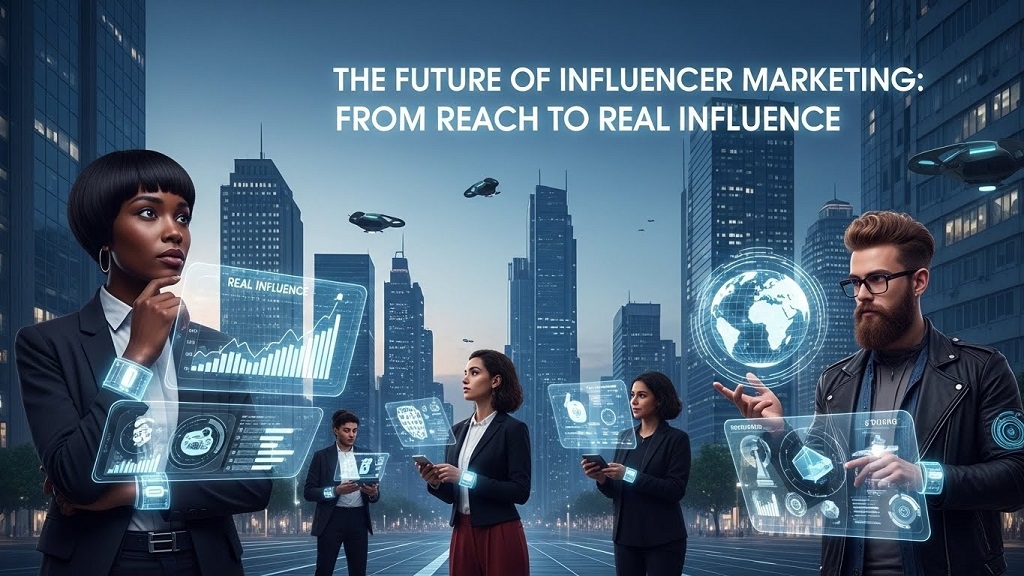
Short answer: The future of influencer marketing focuses on credibility, relevance, and long-term creator partnerships rather than one-off promotions.
Influencer marketing is becoming more structured, more accountable, and more relationship-driven. Brands are moving away from “post-and-pray” campaigns and toward integrated creator strategies.
Key shifts shaping the future:
- From reach to relevance
- From single posts to ongoing partnerships
- From vanity metrics to performance data
- From scripted ads to creator-led storytelling
These changes align directly with how people consume content today. Users want honest opinions, lived experience, and consistency. The future belongs to creators who build trust over time.
What Role Do Creator Partnerships Play in the Future?
Short answer: Creator partnerships are becoming the core of sustainable influencer marketing strategies.
One-off influencer deals often feel transactional. Audiences can tell when a creator is promoting a product they don’t use. That’s why creator partnerships are replacing single sponsored posts.
Why long-term partnerships work better:
- Repeated exposure builds familiarity
- Creators understand the product deeply
- Content feels natural, not forced
- Trust compounds over time
Case insight: A DTC skincare brand replaced monthly influencer blasts with six-month creator partnerships. Instead of paying for reach, they focused on creators who already used similar products. The result was a 42% increase in conversion rate and lower CPA within three months.
This reflects a broader influencer marketing evolution where creators act as brand advocates, not ad placements.
How Is Trust Becoming the New Currency of Influence?
Short answer: Trust is replacing reach as the most valuable metric in influencer marketing.
Trust determines whether content changes behavior. Without trust, even millions of views don’t lead to sales.
Signals that indicate real influence:
- Consistent engagement over time
- Audience comments that show intent
- Transparent disclosures
- Alignment between creator values and brand values
Platforms are also reinforcing this shift. Algorithms increasingly reward meaningful interactions instead of raw reach. This means creators with smaller but engaged audiences often outperform larger accounts.
In the future of influencer marketing, trust is measurable—and brands are learning how to track it.
What Metrics Matter Most in the Future of Influencer Marketing?
Short answer: Performance metrics tied to business outcomes matter more than likes or follower counts.
Modern influencer marketing strategies focus on impact, not visibility.
| Old Metrics | Future-Focused Metrics |
|---|---|
| Follower count | Audience relevance |
| Likes | Engagement quality |
| Impressions | Click-through rate |
| Reach | Conversions and assisted sales |
Brands that adapt measurement frameworks will gain a clear advantage. The future belongs to data-driven creator partnerships backed by attribution models.
What Industries Will Benefit Most From the Future of Influencer Marketing?
Short answer: Industries that rely on trust and education benefit the most.
- Health and wellness
- Finance and fintech
- SaaS and B2B tools
- Education and online learning
- DTC ecommerce
In these sectors, creator partnerships act as social proof and education channels combined. The influencer becomes a guide, not a promoter.
How Should Brands Prepare for the Future of Influencer Marketing?
Short answer: Brands must rethink selection, collaboration, and measurement.
Actionable steps:
- Audit existing influencer performance
- Shift budgets toward long-term creator partnerships
- Prioritize niche relevance over scale
- Track outcomes tied to revenue
- Co-create content instead of controlling it
Brands that adapt early will compound results over time. Those that don’t will continue paying for visibility without influence.
Conclusion: Where Is Influencer Marketing Really Going?
The future of influencer marketing is not about abandoning influencers. It’s about using them correctly. Reach still matters, but it’s no longer enough. Real influence comes from trust, consistency, and relevance.
Influencer marketing evolution is pushing brands toward creator partnerships that feel human, measurable, and aligned with audience needs. This shift benefits everyone—brands, creators, and consumers.
Call to Action: If you’re still planning influencer campaigns based on reach alone, it’s time to rethink your strategy. Start building creator partnerships that deliver trust, performance, and long-term value
FAQs: Future of Influencer Marketing
Is influencer marketing still effective in the future?
Yes. Influencer marketing remains effective when focused on trust, relevance, and long-term creator partnerships rather than short-term reach.
What is the biggest trend in influencer marketing evolution?
The biggest trend is the shift from one-off sponsored posts to ongoing creator partnerships built on credibility.
Are micro-influencers better for future campaigns?
In many cases, yes. Micro-influencers often deliver higher engagement and stronger trust with niche audiences.
How do brands measure real influence?
Brands measure real influence using engagement quality, conversion data, assisted sales, and long-term audience response.
Will AI replace influencers?
No. AI may assist content creation and analytics, but human trust and lived experience remain central to influence.
What platforms matter most in the future?
Platforms that prioritize community interaction and creator authenticity will dominate future influencer strategies.
Related Topics: 5 Common Mistakes to Avoid When Installing Engineered Wood Flooring
Related Topics: How to Open NVIDIA Control Panel Without NVIDIA Card